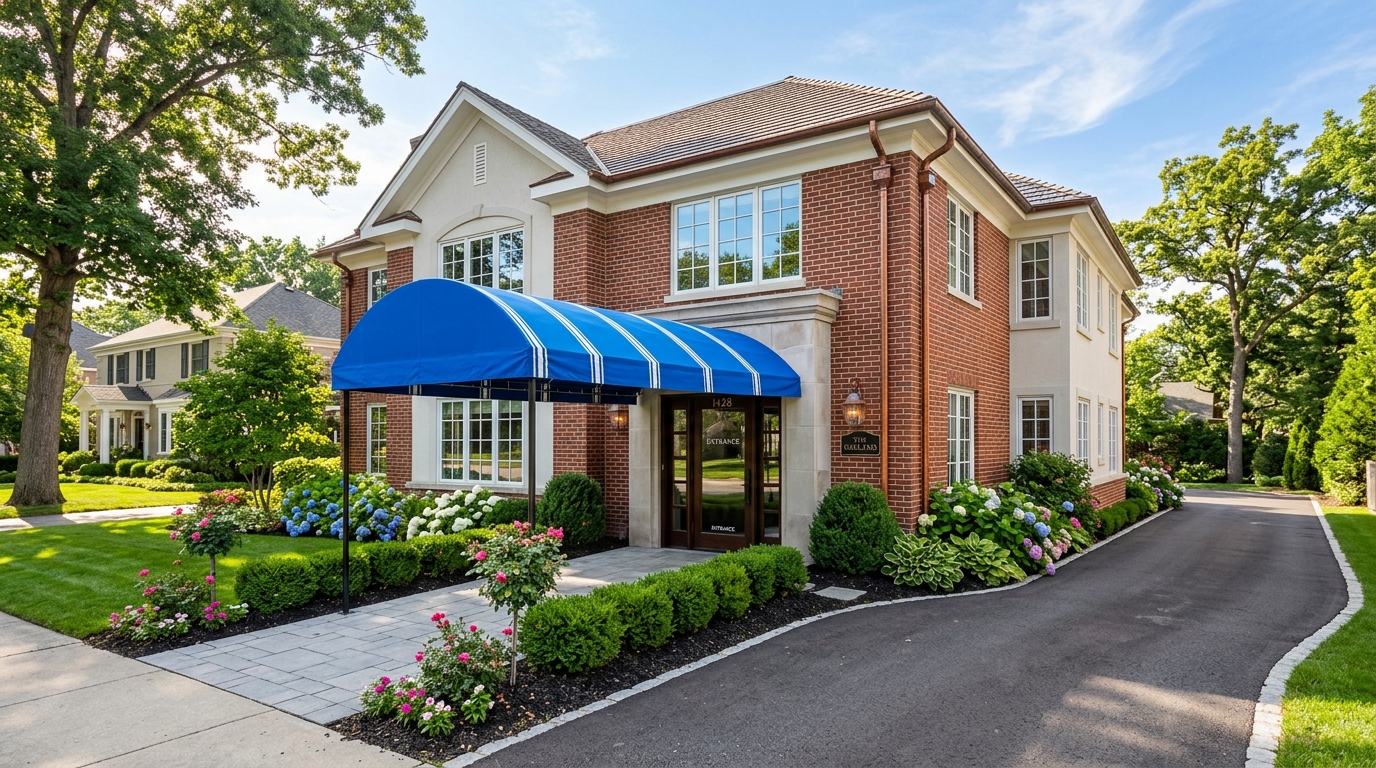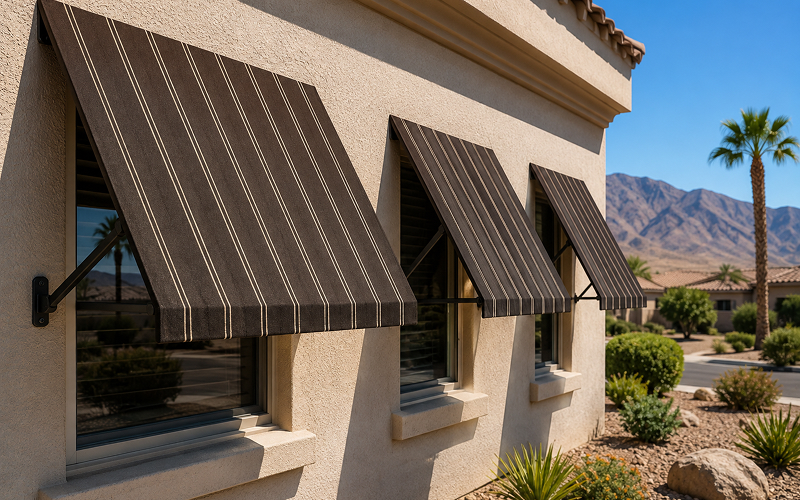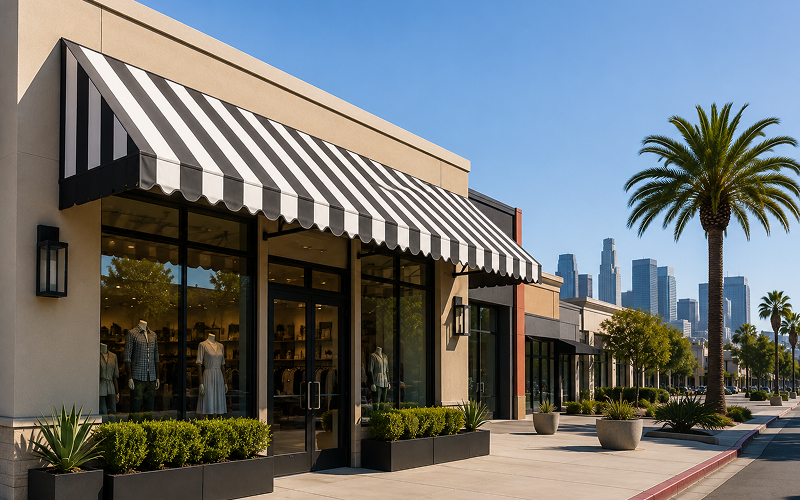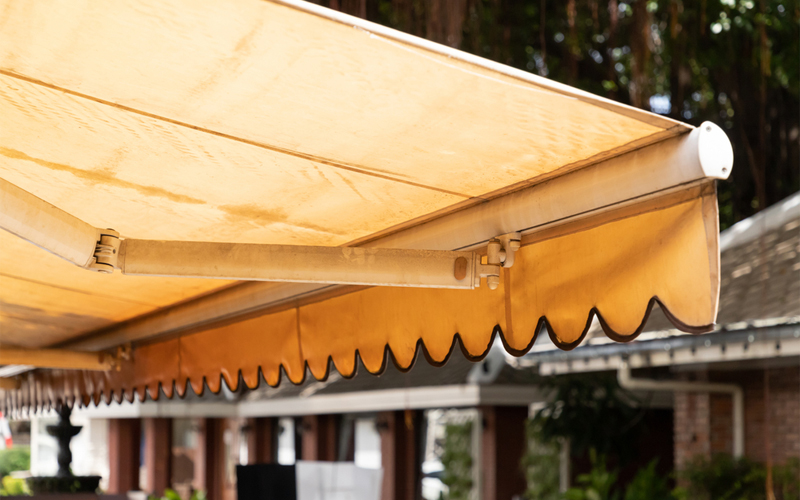

Most people notice an awning without really thinking about it. It hangs over a doorway. It stretches out above a window. It shades a storefront or a patio. It feels familiar. But until you own one, or maintain one, it is easy to underestimate how much work an awning actually does. An awning is a secondary covering attached to the exterior of a building. It is usually made from fabric, vinyl, or metal and supported by a frame. Some are fixed in place. Others retract when not needed. Simple in design, but surprisingly effective.
Shade Is Only Part of the Story
The most obvious job of an awning is shade. It blocks direct sunlight and keeps doorways, windows and outdoor seating cooler. In homes, it directly reduces the heat entering from windows while in businesses, it makes the entrances and waiting areas comfortable for customers. On patios, it creates usable space that would otherwise be too hot to enjoy. However, shade is just the beginning.
Protection from Weather
Awnings always act as a barrier between the building and the external environment. They help keep rain off doorways, reduce glare inside rooms, and protect window frames and doors from constant sun exposure. Over time, this matters. Sun and moisture wear down paint, wood, and seals. An awning absorbs much of that impact before it reaches the building itself. In commercial spaces, this protection becomes even more valuable. Customers appreciate dry entrances during rain. Windows stay cleaner. Storefronts age more slowly.
Energy Efficiency Without the Noise
This one is a quiet benefit and not many people realise that awnings lead to energy saving. When sunlight gets blocked before hitting the glass, the indoor heat buildup is reduced. This makes air conditioning systems work less during the warm months.
It is not something you notice day to day, but over time it shows up in comfort and energy use. Unlike mechanical systems, an awning does this silently. No wires. No switches. Just consistent shade doing its job.
Outdoor Space That Feels Usable
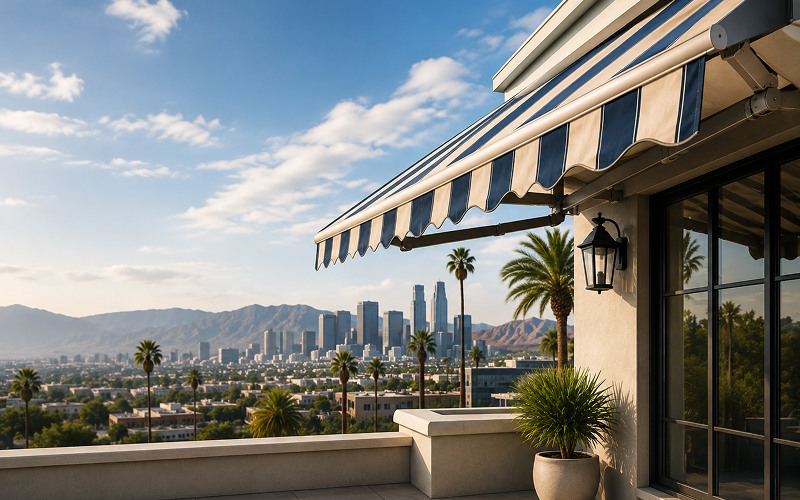
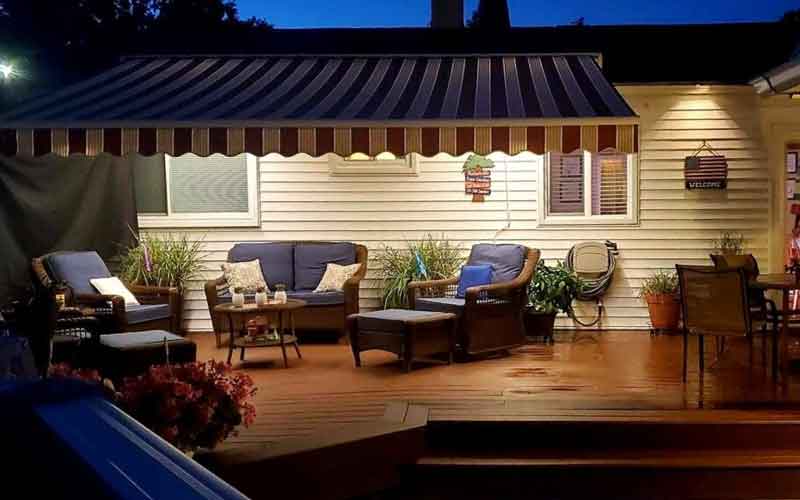
On patios, decks, and outdoor seating areas, awnings change how space is used. A shaded area feels welcoming. It invites people to sit, wait, or gather. Restaurants rely on this. So do homeowners who want outdoor space without constant sun exposure. Retractable awnings add flexibility. Open them when you want shade. Close them when you want sunlight. Simple control, real impact.
Why Maintenance Matters
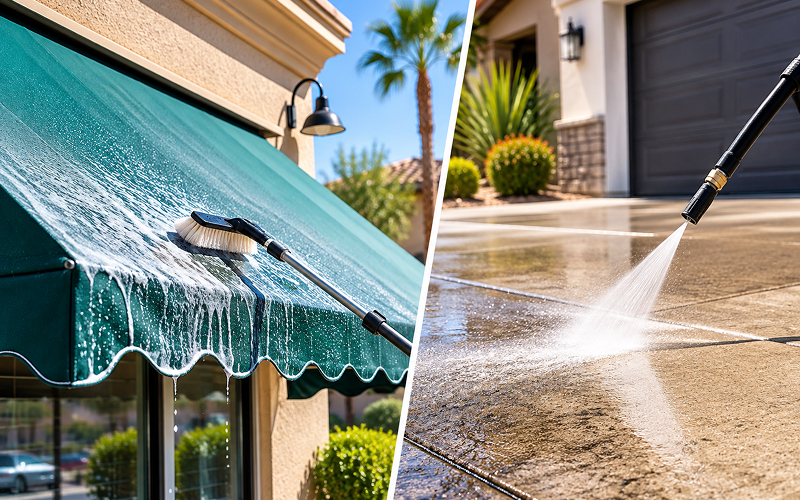
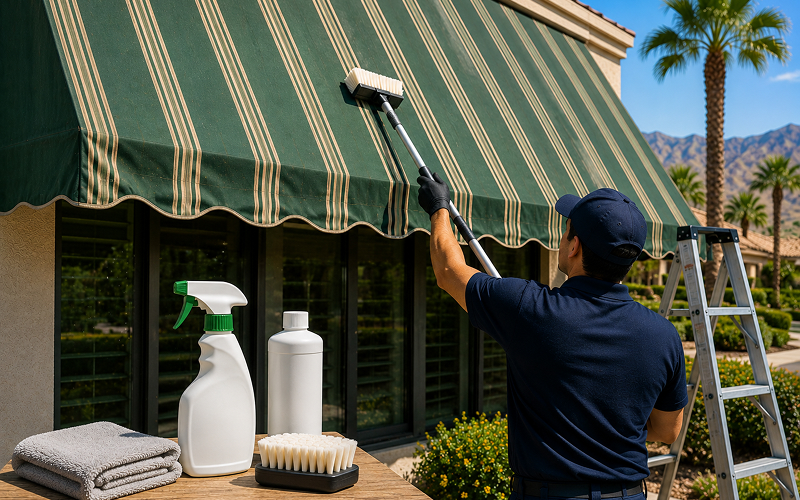
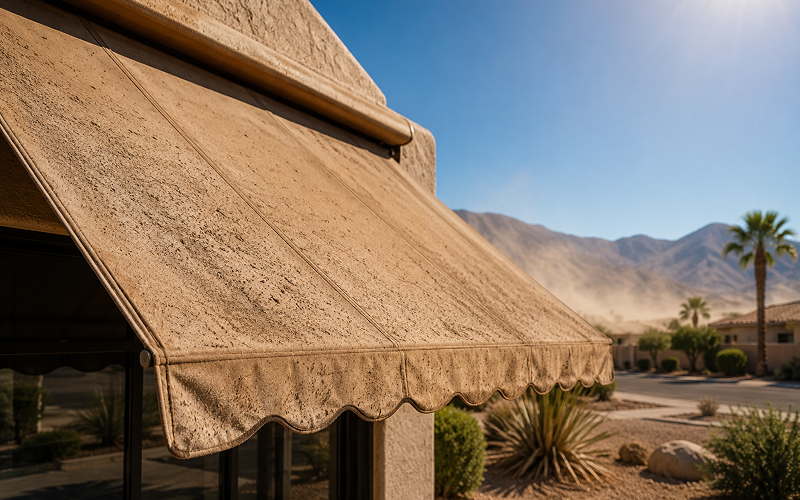
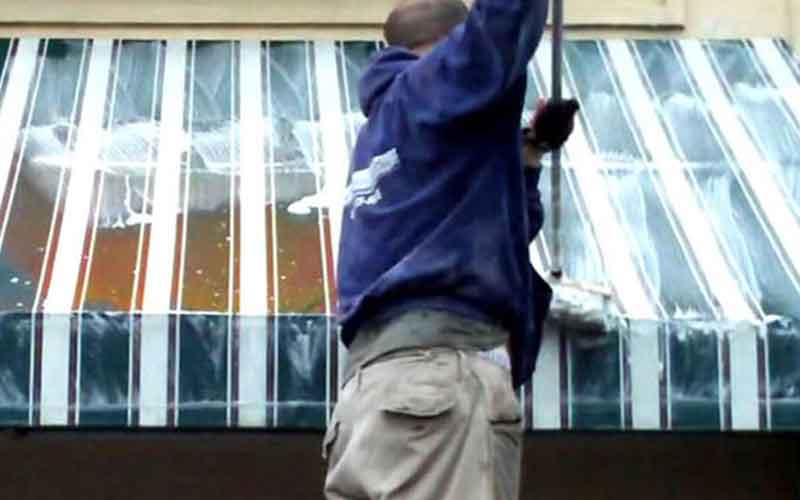
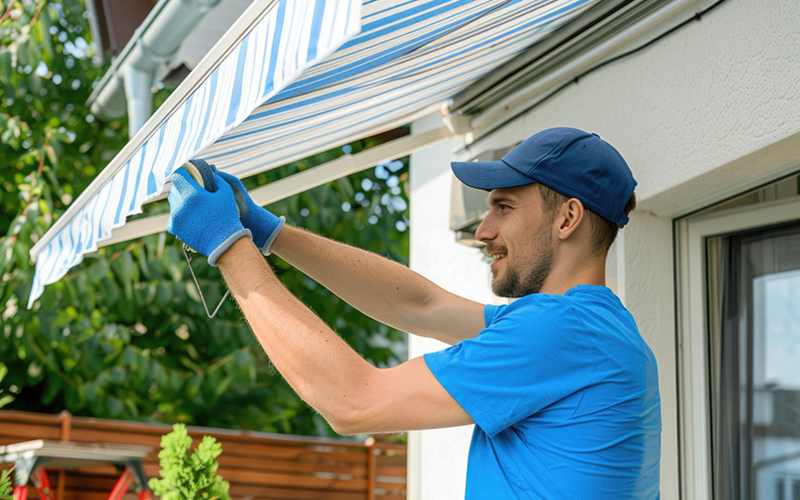
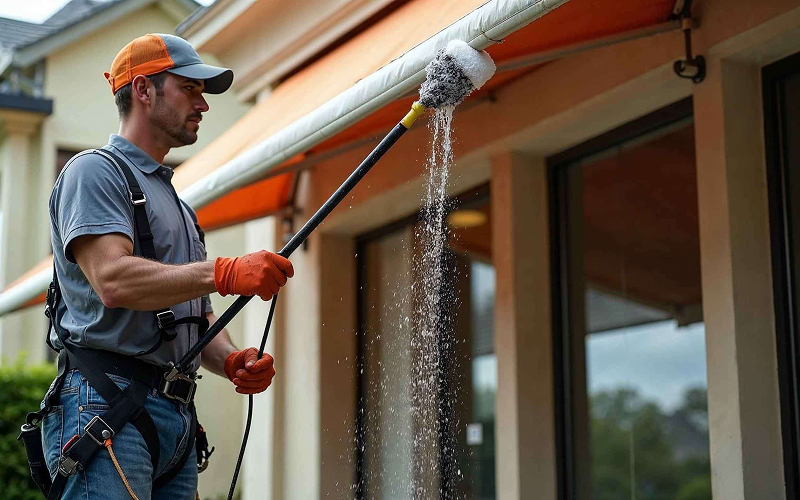
Because awnings sit outside, they take on dirt, pollen, moisture, and pollution. Over time, fabric dulls. Frames collect grime. Mold and mildew can form if moisture gets trapped. None of this means the awning is failing. It just means it is doing its job. Regular cleaning and occasional professional care keep awnings looking good and functioning properly. Clean awnings last longer. They extend fully. They retract smoothly. They protect better.
A Small Structure with a Big Role
An awning is not just an accessory. It is a working part of the building. It manages light. It controls exposure. It improves comfort. It adds identity. When cared for properly, an awning quietly improves daily life without demanding attention. And that is what good design usually does best. Get in touch with the best residential and commercial awning cleaners, The Awning Cleaners to know more about the same.